Best Fence Builders: Fencing Straightening and Leveling
A fence is expected to look like it belongs there. Tidy lines, steady spacing, and articles that stand up like they're confident in their life options. When it's crooked or wavy, people do not just notice, they measure it with their eyes. And when the "why does it look like that?" pest turns up, it never leaves.
I have actually aligned lots of fences that were set up with excellent intents yet rushed dimensions, ignored soil, or a framing minute that turned into a lasting science experiment. Fencing straightening and leveling is just one of those trades where the right repair depends on what went wrong to begin with. Same fence, very same equipment, wildly various root causes. That's why the "best fence builders" aren't simply good at pounding messages. They're good at diagnosing the leaning before they start drawing it back upright.
If you're hunting for Best Fencing Companies, Best Fencing Contractors, Best Fencing Installers, or Best Fencing Builders, you're actually looking for a person that can make the fencing look deliberate once again. Not just "set up," yet corrected.
Why fences stop being straight (and why it can take place fast)
A fencing does not typically go jagged slowly and pleasantly. It has a tendency to do it in chapters. First, a small droop in between 2 blog posts. After that a visible bow at the axis. Then eviction starts to combat you like it remains in a rivalry.
Common triggers appearance boring until you see them in the real world:
- Soil motion and water drainage modifications, particularly after heavy rain. If water has a path now, it will certainly keep discovering it.
- Post depth faster ways. A blog post can look fine on the first day, after that shift after freeze-thaw cycles or dry-out conditions.
- Inconsistent article spacing or misaligned rail runs. As soon as the rails are off, the pickets telegram the problem.
- Concrete or setting issues. Not all "solid" message openings are actually steady, and a sloppy mix can act like dessert later.
- Wind and utilize. A taller fence creates a sail impact, and the fencing comes to be a lengthy lever arm against the messages that didn't established properly.
One website I serviced had a fencing that looked "primarily alright" until the homeowner pointed out the gate. The latch side didn't fulfill the strike plate by a couple of inches, and eviction drooped like it had actually given up. When we checked out the line, the articles weren't just out of square, they had drifted laterally over time. Correcting it wasn't concerning drawing the rails. It was about moving the underlying framework back right into positioning and reestablishing the dirt support.
That's the heart of fencing leveling: it's structural first, aesthetic second.
The difference between straightening and leveling (they're related, yet not identical)
People typically make use of straightening out and leveling like they coincide job. They overlap, yet they're not identical tasks.
Straightening has to do with side alignment. Image a string line extended from one end blog post to the other. If the fence line bows outward or internal, you're handling straightness.
Leveling is about upright uniformity. A fence can be straight yet uneven if one side sits higher on the slope or if the blog posts weren't set at the same family member elevation. With picket fencings, the eye notices the transforming void, and with panels, you discover just how rails climb and fall.
A fence can be out of both. When it is, you need to decide what to correct initially because one repair can affect the various other. If you draw the line back into straightness without respect for elevation, you might develop a brand-new problem aesthetically. If you reduced the reduced side without adjusting the line, you can get worse stress on the posts.
In technique, I start by asking an easy inquiry: is the fence line aesthetically "bowed," or is it mainly "irregular"? If it's a bow, you correct the alignment of. If it's irregular, you level. If it's both, you diagnose each article and treat the biggest architectural movement first.
The tools and measurements that separate a fast solution from a lasting one
Good fencing job is old-school precision with new-school patience. The basic idea is to gauge, remedy, and stabilize in a sequence that does not combat the fence.
On the task, I count greatly on these type of checks:
- A string line snapped limited in between end blog posts, checked for droop and twist
- A level or laser degree for blog post height and rail alignment
- Measuring from the exact same reference points, not random "close enough" eyeballing
- Checking gate operation as a structural sign, because entrances reveal little imbalances that routine sections hide
One mistake that can destroy the day is determining height from the rail as opposed to the articles. Rails are adaptable. They exist. Articles are the truth. If a rail is somewhat off, your "progressing" effort might really bend the fencing's geometry instead of fixing it.
There's additionally the truth that older fences in some cases have numerous sorts of damage. One message may have leaned due to a superficial hole, while one more may be pushed sidewards from a person leaning a ladder. Sometimes the cure is not one huge adjustment, yet numerous smaller sized modifications with stablizing at each point.
What "ideal" looks like when you're picking Best Fence Builders or Ideal Fencing Contractors
The best fence builders often tend to share routines you can find if you pay attention. You desire a person who chats like a builder, not a salesman, and that gives you a strategy that makes sense for your fencing kind and website conditions.
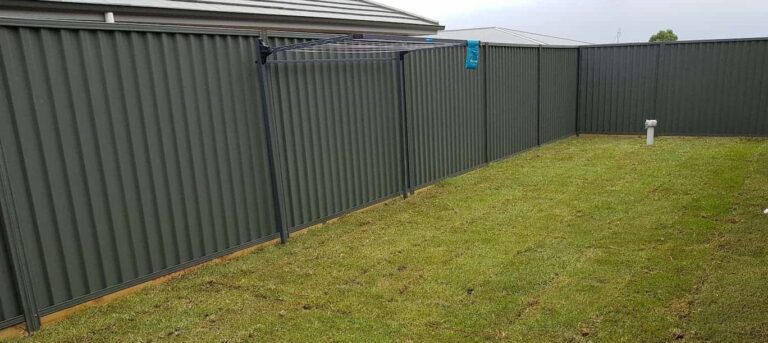
When people search for Best Fence Companies, they usually concentrate on reputation. Online reputation matters, but I care a lot more concerning process. Here are the signals that usually associate with quality:
- They inquire about soil conditions, drain, and incline, not simply the fence style.
- They take a look at the posts and contrast what you see with what they measure.
- They clarify trade-offs, like whether to correct by rearranging blog posts or by adjusting rails and pickets, and what each alternative implies.
- They focus on entrance equipment alignment and latch geometry, since gateways are unforgiving.
- They do not promise excellence without recognizing that every residential or commercial property has constraints.
If you've ever before seen someone "straighten" a fencing by loosening everything and afterwards tightening it back down without dealing with blog post support, you have actually seen the end result. It looks much better for a week, possibly a month, then the fencing starts drifting once again. That's not due to the fact that the builder is incompetent, it's because the root cause had not been corrected.
For communities, HOAs, and tight residential property lines, that distinction is money. You pay as soon as genuine stabilization, or you pay repeatedly for aesthetic repairs.
A reasonable walk-through: diagnosing the fencing prior to drawing it
Straightening and leveling is not a single gesture. It's a sequence constructed around restraints: existing post deepness, fence product versatility, and how https://storage.googleapis.com/sawdustsite/best-fencer/best-fencing-companies-for-hoa-compliant-fences.html much you can relocate without cracking rails or worrying connections.
Here's exactly how I commonly come close to medical diagnosis, since the "repair" depends upon the "why."
First, I recognize whether the trouble is concentrated. Is it a progressive slope across the run, or does it spike between a few blog posts? A localized bow typically points to 1 or 2 falling short articles. A whole-run waver might be regular settling from bad article design or dirt movement.
Second, I verify whether the articles are in fact out of position or simply the rails and pickets are. Sometimes the line looks jagged since rails were affixed erratically. The messages could be great. Various other times the messages are noticeably out of plumb, and the rails are simply adhering to the distortion.
Third, I inspect the ground around the posts. Washout, sinking crushed rock, soft areas, and water pooling are major ideas. If the soil has transformed, any type of "straightening" effort without restoring support is temporary.
Fourth, I inspect the gate. If eviction is misbehaving, the imbalance usually comes from end messages or pivots not remaining in the same airplane. You can straighten the panels, and the gate still will not cooperate.
If a fence is brand-new and already crooked, it often implies a setup or establishing issue, like inadequate healing time for concrete, not enough supporting during established, or incorrect measurements. If the fencing is older, it's typically dirt, freeze-thaw movement, corrosion, or wind loading.
Common fence types and how that transforms the leveling approach
Not all fencings respond similarly to corrections.
A picket fencing, whether wood or composite, has a tendency to reveal every upright change through picket spacing. It can look "wavy" also if the fencing line is straight, just because pickets are connected at a little different heights. Adjusting pickets might be sufficient if the blog posts are audio. If articles have actually changed, picket changes will not take care of the underlying geometry.
A panel fence, specifically one made from steel or mounted timber panels, usually looks straight up until you see the joints and rail placement. Panels can likewise move pressure differently, so moving one article can transform how multiple surrounding panels sit.
A personal privacy fencing with bigger rails imitates a big architectural component. It resists adjustment until it finally gives, which means you may locate the fencing shows up steady in one location however after that instantly bows due to the fact that a message is failing. With personal privacy fencings, stablizing and message assistance are typically the priority.
The material also matters. Timber can endure tiny adjustments through flexibility, yet repeated stress can loosen bolts and produce brand-new gaps. Steel systems can be adjusted with much less "give," however that likewise suggests you can't count on versatility to mask errors. Composite can be solid yet still needs appropriate assistance to avoid long-lasting warping around placing points.
When you need to straighten out messages versus when you need to replace them
This is the judgment telephone call that separates good building contractors from quick ones. Posts that have actually decomposed, changed deeply, or have jeopardized grounds may need replacement rather than modification. Attempting to straighten out a message that's already falling short can lead to cracking rails, harmed equipment, or a fence that looks boosted today and even worse tomorrow.
There are also cases where straightening is literally feasible but practically meaningless. If a fencing post is moving because the dirt is unsteady and the opening has become extra-large or rinsed, you can reposition the blog post, yet you additionally require to reconstruct the assistance around it. If the building contractor simply "replumbs" the article without dealing with dirt and water drainage, the fence will likely drift again.
Here are the sort of circumstances where replacing can make more sense:
A post is until now out of alignment that forcing it back creates anxiety at multiple rails. The blog post base is compromised, like visible rot or weakening. The fence run includes a collection of articles that all began shifting around the very same time, recommending a systemic installment issue. The property owner requires a long-term repair, not a momentary look correction.
Sometimes the most effective outcome is a crossbreed: straighten what can be restored, replace the most awful wrongdoers, then reset rail geometry so the fencing "checks out" tidy from the street.
Questions to ask the specialist prior to any person touches a string line
You can save yourself a lot of regret by asking the ideal inquiries. A great fence staff will address without dodging.
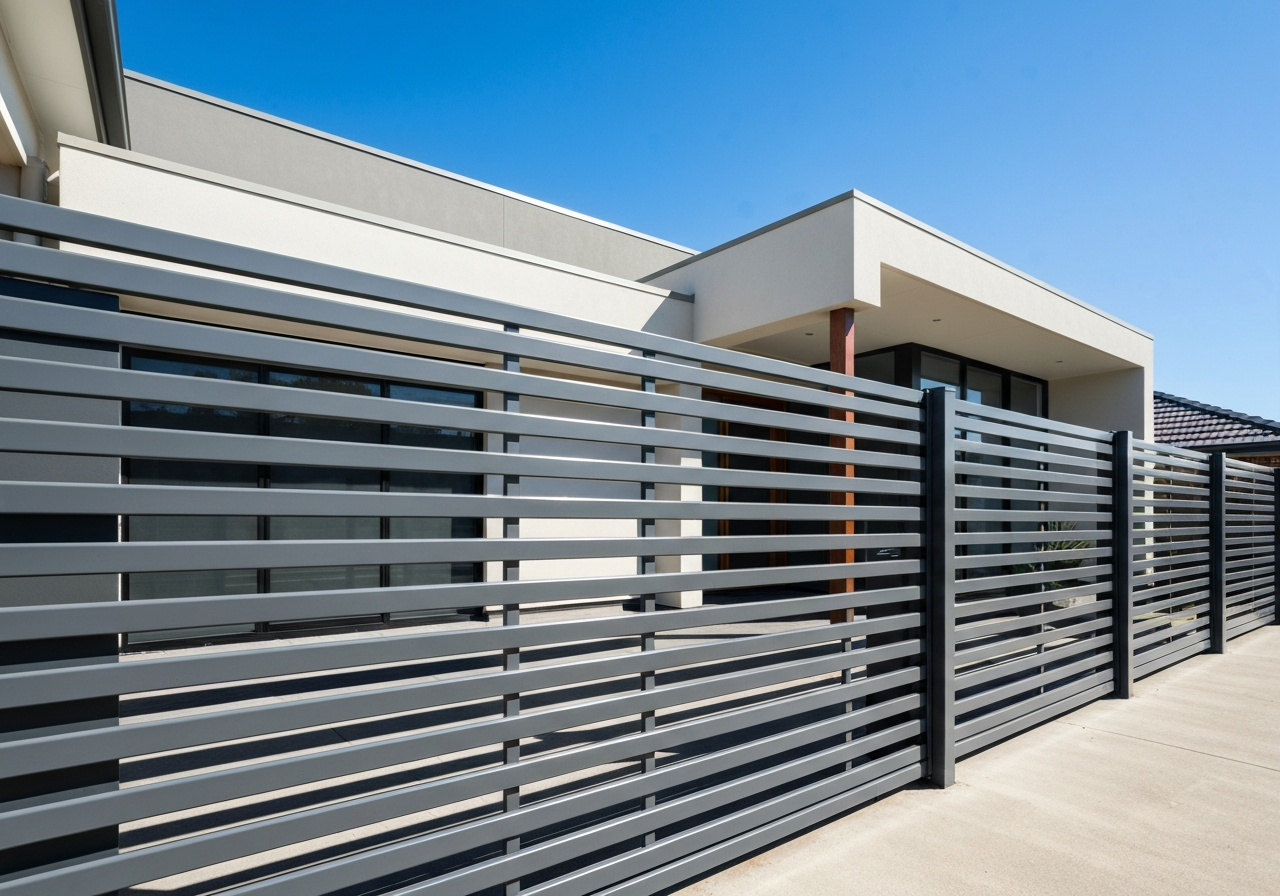
Here are 5 you can utilize throughout estimates:
- How do you determine whether the articles run out plumb versus the rails being misattached?
- Will you rearrange existing articles, replace them, or change rails and pickets, and why?
- What do you do regarding water drainage around article openings to prevent future shifting?
- How do you handle fence runs that go across an incline, do you tip the fence or set up racked sections?
- What checks do you carry out on gate alignment prior to you think about the task "done"?
If the specialist can describe their strategy with specifics, you remain in safer area than someone that just explains the last look.
Step-by-step: just how fence straightening and leveling is really done
There are different approaches depending on fence kind and intensity, yet the principles correspond: protected alignment, bring back support, after that re-install geometry so the fence holds its shape.
A typical straightening process frequently includes:
First, you develop reference lines at the ends, utilizing a string line and measuring points. Those recommendation points figure out the target plane or target heights.
Next, you loosen or remove sections as required. This is where persistence issues. If a person attempts to muscle the fencing while it's completely set up, they develop stress in the incorrect locations. You desire regulated adjustment, not a system under stress.
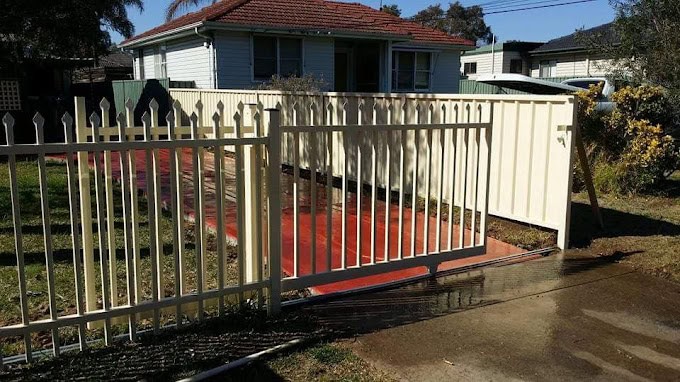
Then, you deal with message activity. For some fences, you can correct lateral lean by changing the blog post base and resetting it into plumb. For others, particularly where the dirt assistance is jeopardized, the blog post opening requires to be rebuilt, sometimes with additional stabilization.
After the posts are re-set or supported, you reattach rails and pickets, validating each run matches the target. Lastly, you re-check eviction operation and verify that latch factors line up without forcing.
When progressing on uneven ground, you likewise require to decide how the fencing ought to "tip." A typical alternative is to preserve a constant leading line by changing panel height in between posts, or to adhere to the incline with tipped sections while maintaining the regional areas degree. The most effective choice relies on local aesthetic assumptions and the fencing design. A personal privacy fencing might look far better with stepped panels, while a picket fencing usually looks tidy with regular spacing and a calculated step strategy that avoids awkward gaps.
The compromise is this: more actions can look much better however take even more time. Fewer actions lower labor but can produce bigger upright differences that look visually odd.
The most typical errors I see throughout do it yourself fencing "fixings"
DIY work can be superb when it's educated. But fence straightening and progressing has a means of turning confident weekend energy into hours of irritation if you miss diagnosis.
The normal blunders are foreseeable:
People try to level from the pickets instead of the messages, which locks the wrong geometry. They think the fence line ought to be level throughout the entire run, even when the surface makes that impractical without steeply varying panel placements. They pull as well tough and damages rails or bolts, then the fencing begins loosening since the framework is stressed out. They do not make up entrance positioning till the end, then they find eviction requires a various improvement than the fence areas. They load blog post holes without bring back drainage, so the corrected placement gradually erodes.
Here's a list of "time out and check" issues. If you see any of these while a fencing is being corrected, quit and reassess:
- The fence looks straighter, however eviction spaces worsen.
- Rail bolts begin to loosen up or you see brand-new turning in nearby sections.
- The message hole location really feels soft or wet weeks after the correction.
- The fence line improved momentarily, then shifts after the very first heavy rain.
- The fence is straight to the eye from one angle yet bowed from another.
That last one matters greater than people assume. A fencing can show up straight front-on, while it's in fact turned in the airplane between blog posts. Appropriate dimension across reference lines catches that.
Weather, periods, and why timing the repair can matter
Fence issues usually come to be apparent after certain climate patterns. Heavy rainfall can clean dirt around message holes. Freeze-thaw cycles can loosen ground around bases. Warm droughts can reduce soil and create voids, after that rainfall replenishes them unevenly.
If you're preparing a correcting and leveling task, timing can influence how easy the modification is. Wet, saturated soil can make post rearranging a lot more effective in the short term however can likewise imply the dirt needs added assistance to remain secure. Dry soil can withstand movement but can likewise hide washout spaces under firm-looking surfaces.
In technique, I arrange around two points: climate windows and treating time. If concrete is included, you want conditions that sustain appropriate setup and strength advancement. For all repair work, you intend to lessen the chance that a heavy tornado hits while the fencing is still recently stabilized.
No one can totally control weather condition, however home builders that do this frequently prepare for reasonable home windows and integrate in the moment for stabilization to take hold.
Straightening a fencing versus "replacing the whole run" - what it costs and what you're really buying
Sometimes substitute is the best response. A fencing can be so abject, so badly mounted, approximately weakened that restoring it becomes extra pricey than starting fresh.
But replacement is also the blunt instrument. So a section of the fence is out of positioning, complete replacement usually overcorrects. You get brand-new material, but you also tackle the danger of repeating the exact same installment blunders if the underlying dirt or drain wasn't addressed.
A solid contractor will typically suggest stablizing approaches that match the intensity. They might straighten out the majority of posts, replace the few that are beyond reasonable modification, and reset rails so the fence looks uniform. That technique gives you a "primarily brand-new" result without the turmoil and cost of restoring everything.
The best part of a great work isn't just exactly how the fencing searches the first day. It's how it remains looking by doing this with the following season.
How to detect a fencing crew that recognizes correcting and leveling
You can find a lot of companies and contractors declaring to be the very best. The difficulty is dividing branding from competence.
Here are the functional signs I count on:
They show you dimension factors. Not obscure "we inspected it," but actual explanation of exactly how they establish recommendation lines. They review soil and water, because uneven fencings are typically drainage stories in camouflage. They talk about sequence, like when they loosen sections, when they reset post bases, and how they protect against new spin. They examine entrance equipment positioning as part of the same job, not a second thought. They are clear about what can be dealt with on existing frameworks and what can't without replacement.
If you're contrasting Best Fence Builders, Best Fence Companies, Best Fence Contractors, or Best Fence Installers, utilize these signals to assess them. A crew that treats fence adjustment as a structural project, not a visual touch-up, has a tendency to produce outcomes that last.
A quick "real-world" situation to show the appropriate type of fix
A property owner when defined their issue similar to this: "The fence line is incorrect, yet the messages look straight." That's a timeless configuration for a combined problem.
When we arrived, completion blog posts were great. The center posts were minimal. Nothing looked significant from a couple of steps away. Yet the rails in between certain bays were set up unevenly, and as wind packed the fencing, bolts loosened and positioning drifted.
The solution wasn't to tug the fencing line hard. It was to reattach rails with correct spacing, after that attend to the two posts that were subtly off by re-setting their base. Once the architectural assistance matched the intended airplane, the rails stopped battling gravity. Eviction then straightened correctly, too, because the corrected aircraft removed the twist that had been forcing the gate to sag.
That sort of job looks "easy" after it's done. It also takes longer than individuals anticipate due to the fact that the staff does not assume one fix fits all.
Keeping your fence straight after the correction
Fence leveling does not end when the last picket goes on. The fencing requires continuous assistance, which's partly about maintenance and partially concerning preventing water problems.
Simple maintenance issues:
Check for soft ground around blog post bases after tornados. Evaluate for loosened fasteners and tightening up demands before minor concerns become architectural. Maintain plants from pressing versus fencing lines. Plants expand with objective. Consider drain patterns on the slope, especially where water runs near the fence.
A directly, well-leveled fence is a secure system. When water and soil are allowed to undercut it, you'll see issues return. A building contractor that knows their stuff will usually inform you what they observed and what to keep an eye on, since the most effective solutions consist of recognition of future risk.
Final thoughts, minus the sales pitch
If your fencing is uneven, sagging, or irregular, don't hurry into replacement just because it's aggravating. First determine whether the concern is placement, post support, drainage, or a mix. Then pick Best Fencing Companies, Best Fencing Contractors, Best Fencing Installers, or Best Fencing Builders based on just how they detect and correct the underlying structure.
The distinction in between a fence that looks great for a period and a fence that stays straight is frequently the unglamorous things: correct recommendation lines, regulated modifications, realistic decisions regarding substitute versus modification, and stabilization that represents soil and water.
A fence should be more than a limit. It should look like it belongs there, like it has constantly been suggested to stand by doing this. When you obtain the ideal fence straightening and leveling job, that's exactly what you see, not simply at eye degree from the lawn, yet from every angle that made use of to make you squint.